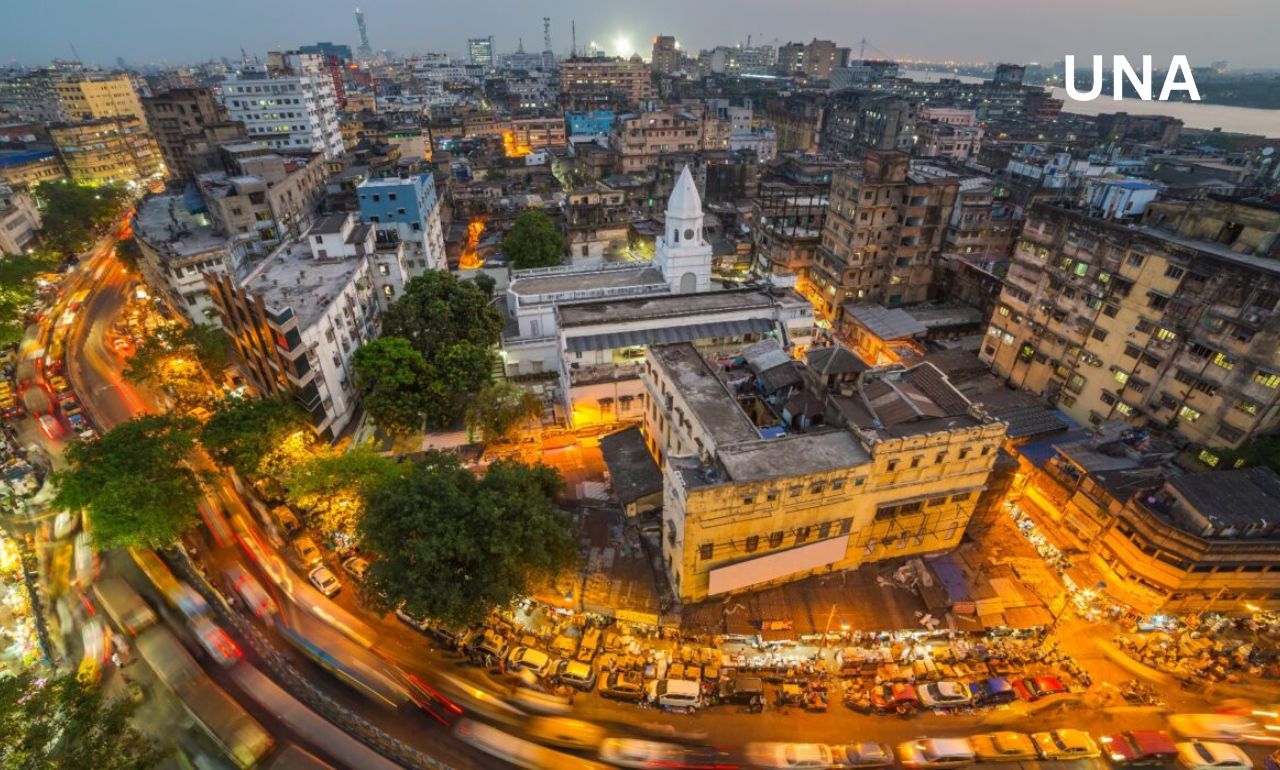
Kolkata, West Bengal (UNA) :
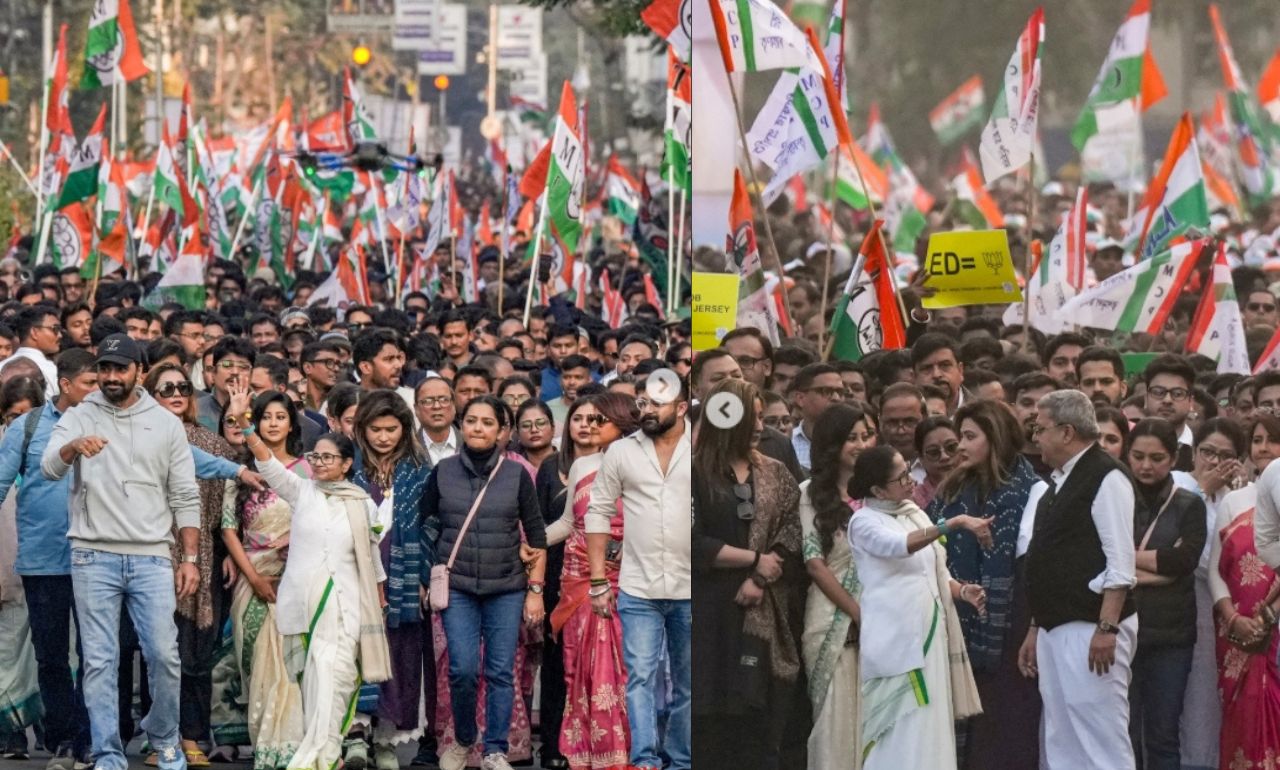
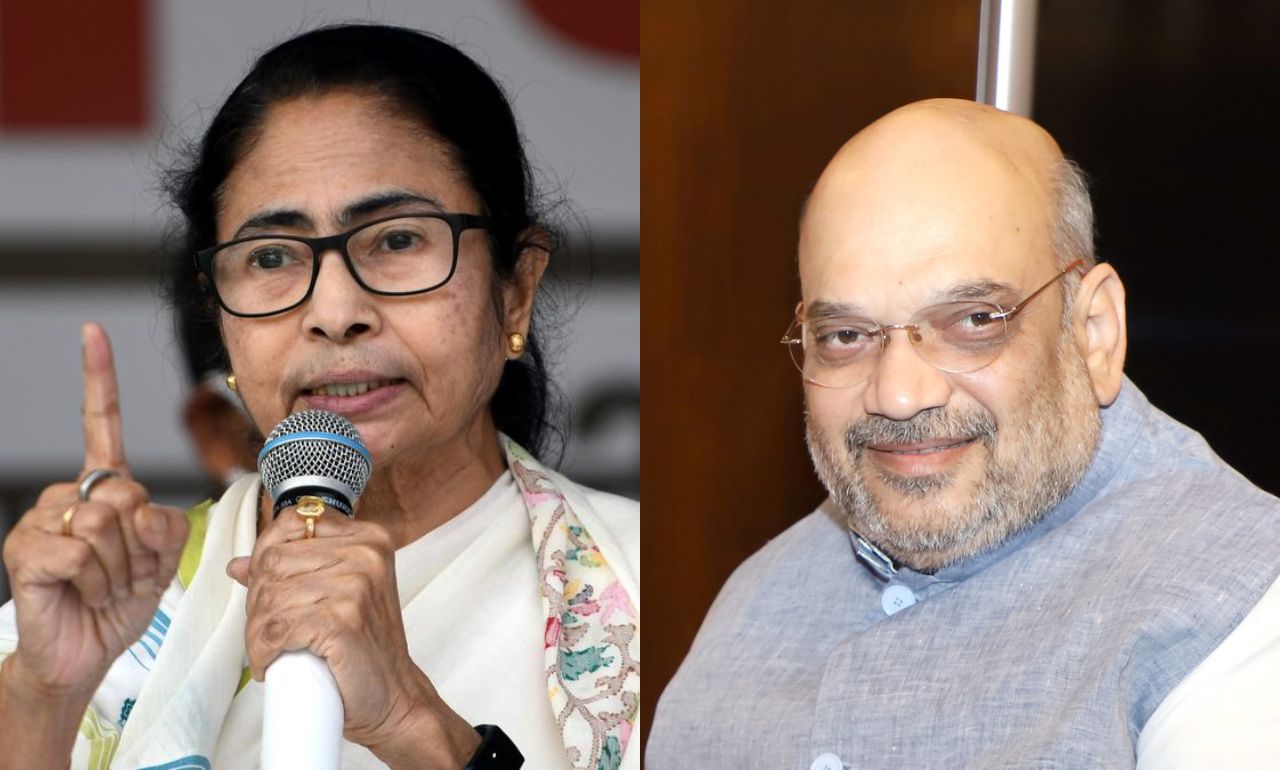
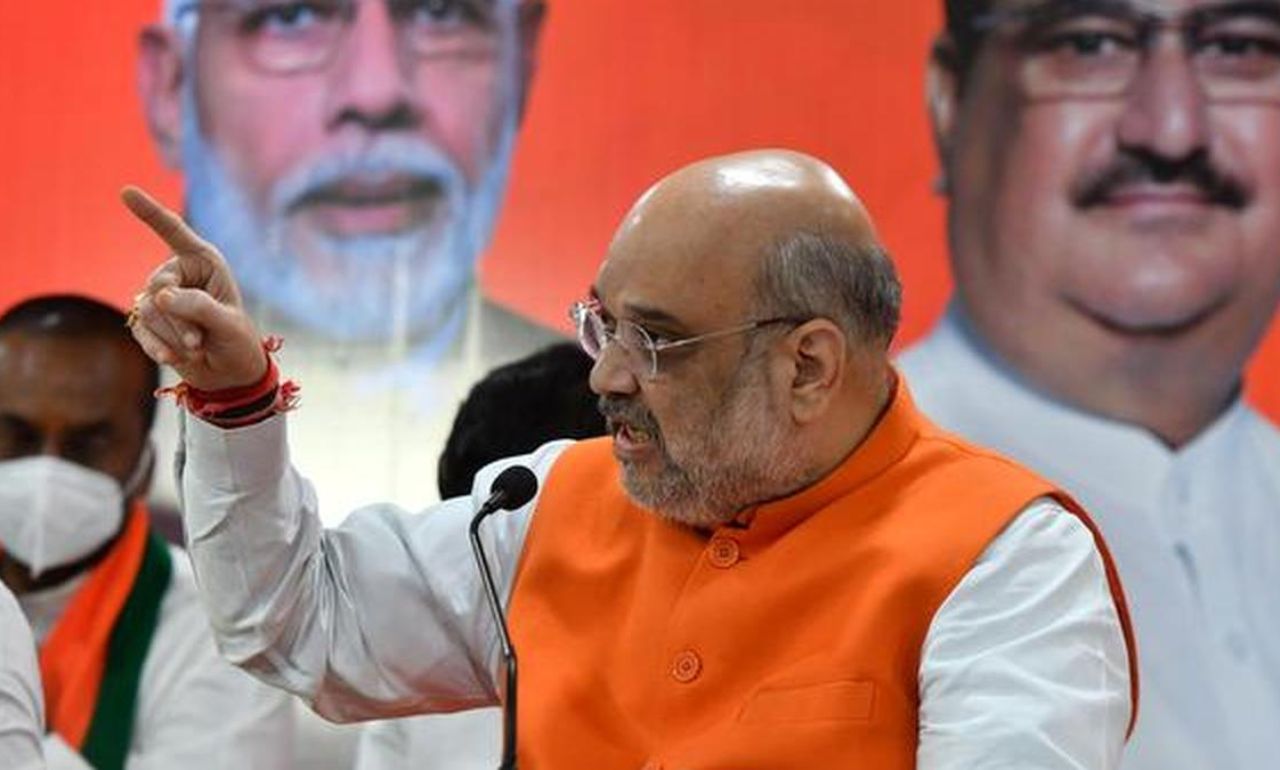
The Bharatiya Janata Party (BJP) has officially shifted into election mode for the 2026 West Bengal Assembly polls with Union Home Minister Amit Shah’s scheduled visit to the state on December 30 and 31. This visit is viewed as the formal launch of the party’s long-term campaign strategy to challenge the ruling Trinamool Congress (TMC). Shah is expected to meet with top state leaders and central observers to review the progress of the party's organizational restructuring, which includes dividing the state into six distinct zones to overcome localized weaknesses.
A core focus of Shah’s visit will be the "Mera Booth Sabse Majboot" (My Booth is the Strongest) initiative. The BJP has set an ambitious target of reaching all 80,000 booths in the state, utilizing "Panna Pramukhs" (page-in-charges) to establish a direct connection with voters at the micro-level. To bolster this effort, the party has already conducted over 1,500 street meetings (sabhas) across the state. Shah’s presence is intended to energize the grassroots workforce and emphasize the importance of "bench strength," bringing in influential leaders from other states to mentor local units.
During his interactions, the Home Minister is expected to double down on the party’s narrative centered on development, national security, and ending what the BJP terms as "political violence" and "systemic corruption." Earlier this year, Shah predicted a decisive victory in 2026, promising to "end infiltration" and establish "Sonar Bangla" (Golden Bengal). Analysts observe that the BJP is attempting to build a counter-narrative to the TMC's regionalism by highlighting central welfare schemes and promising a "double-engine government" that aligns the state with national growth.
The TMC, meanwhile, has remained dismissive of the visit, often labeling Shah as a "seasonal visitor" to the state. However, the BJP’s internal restructuring—including expected changes in the state unit's office bearers—signals a high level of seriousness. Following Shah's visit, senior Union Ministers are scheduled to begin a series of public outreach programs and indoor meetings starting in January 2026. This sustained presence indicates that the BJP intends to maintain high-voltage political activity in Bengal for the next two years.
As Amit Shah concludes his two-day visit, the political temperature in West Bengal is expected to rise further. The success of the BJP’s strategy will likely depend on its ability to convert organizational "Shakti" into a cohesive voter base capable of challenging Mamata Banerjee’s deep-rooted influence. For now, the "Mission 2026" roadmap has been laid out, and the focus of the saffron party will remain on micro-management and grassroots mobilization until the first vote is cast.