San Francisco, California (UNA) :
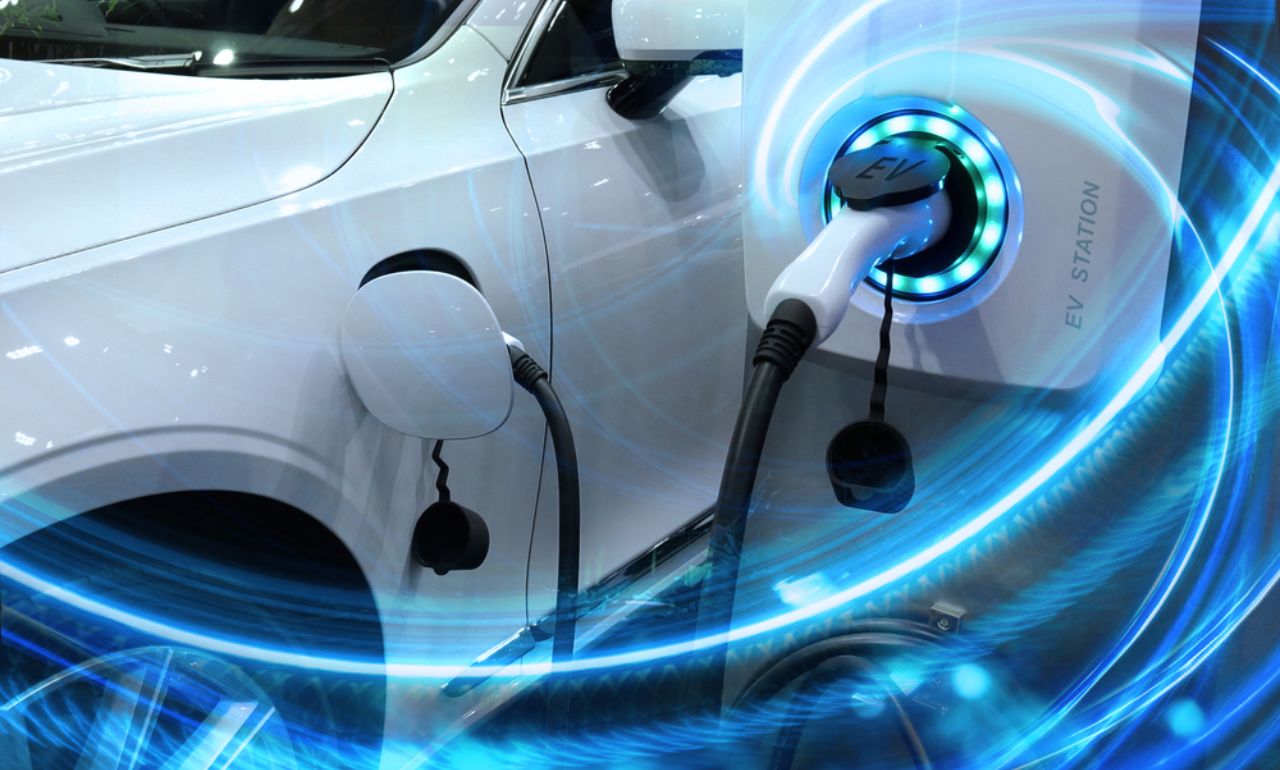
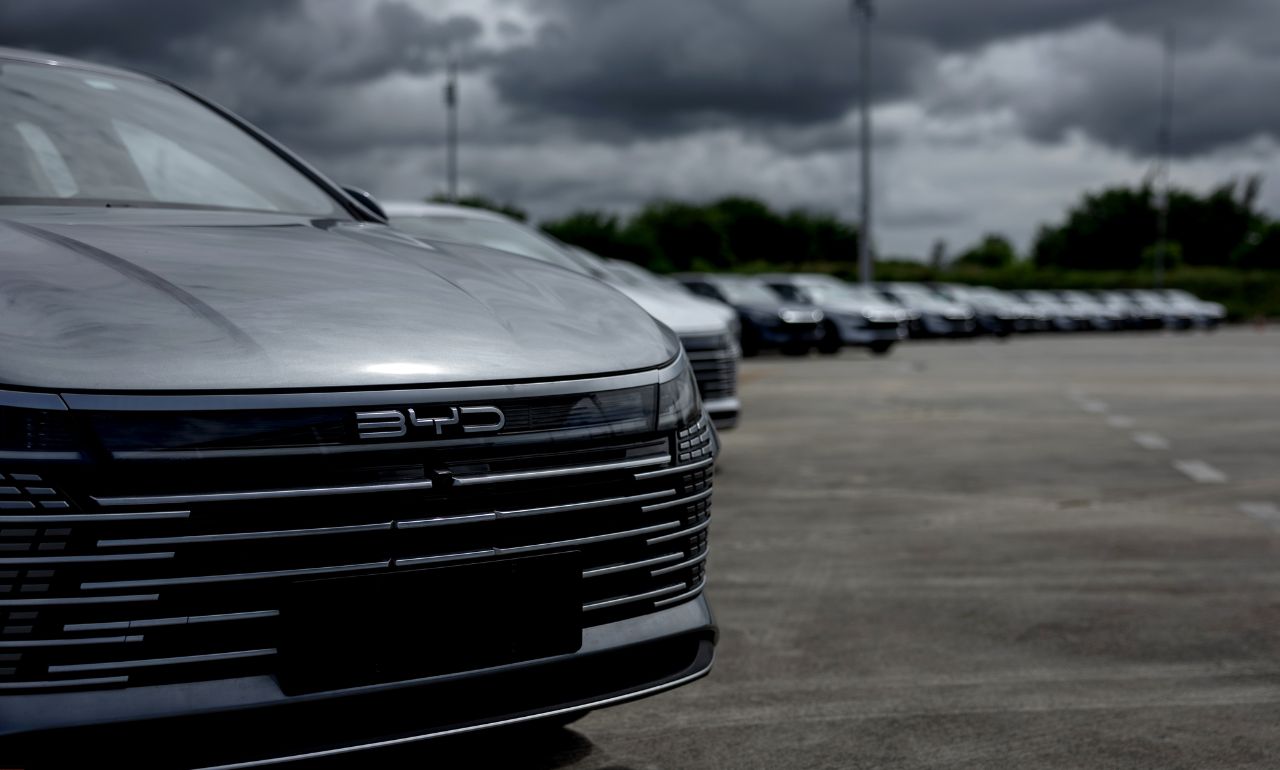
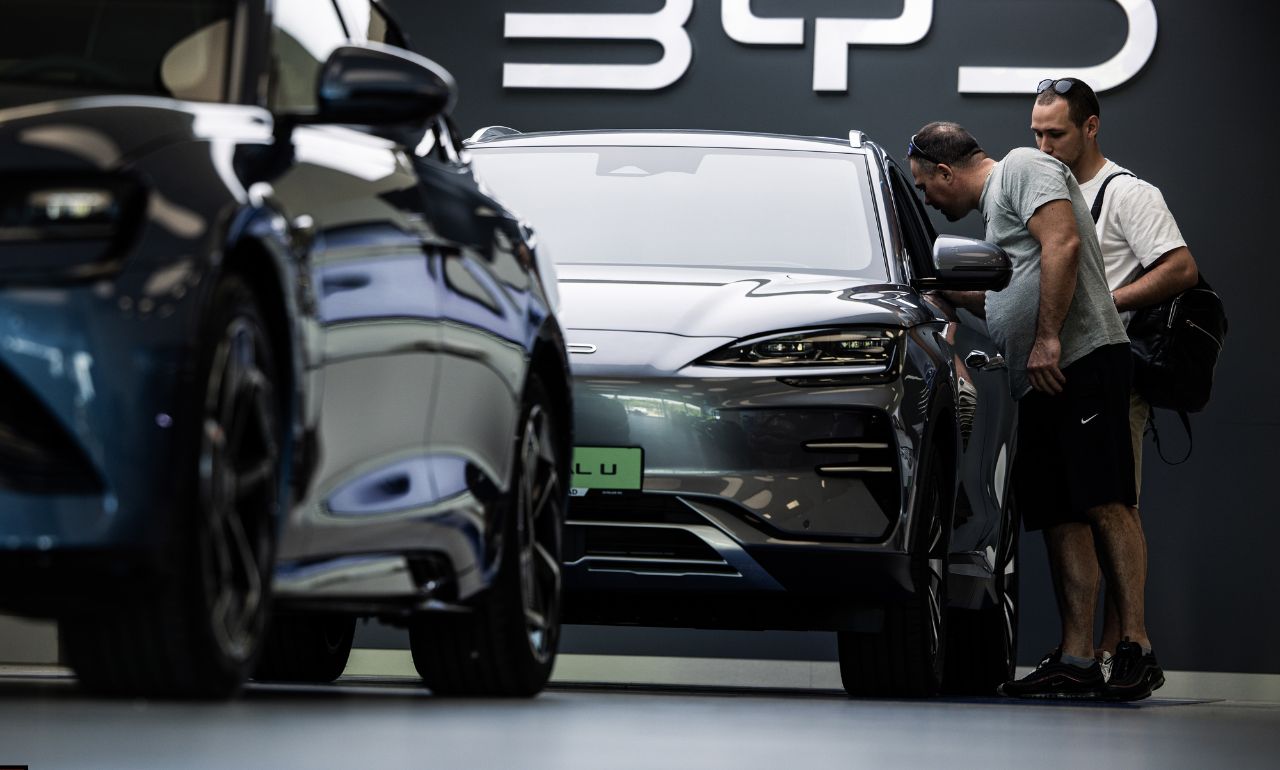
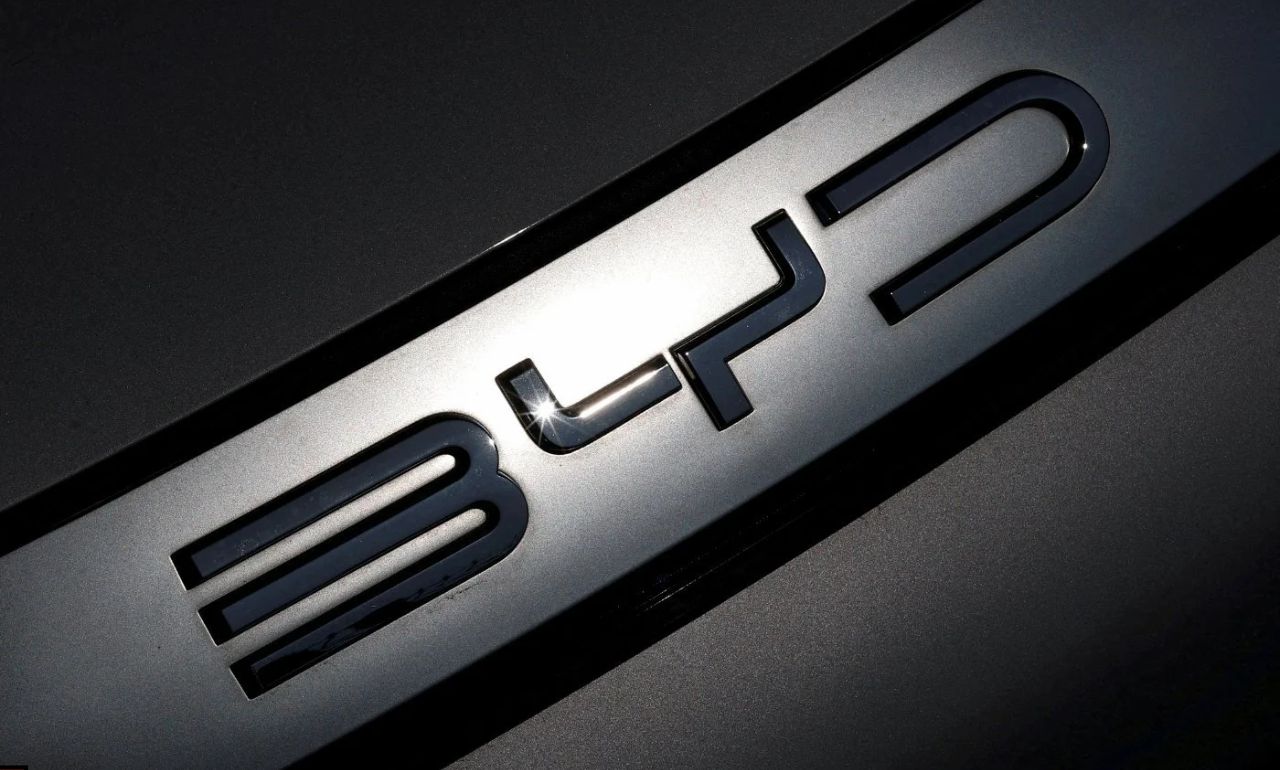
In a major shift in the global automobile industry, BYD, a Chinese electric‑vehicle maker, has outsold Tesla worldwide in 2025, taking the lead in total EV units sold. Tesla’s long‑held position as the world’s best‑selling EV brand was challenged as competition surged and key incentives faded in major markets.
One factor behind this change was the expiry of federal tax credits for EV buyers in the United States, which reduced a key financial incentive that had helped make electric cars more affordable. With fewer buyers qualifying for deductions, overall demand in the U.S. softened especially for higher‑priced models while more competitively priced vehicles from BYD and others gained traction.
BYD’s success reflects its wide range of models appealing to diverse buyer needs, from compact city cars to larger family EVs. For everyday consumers, this broader lineup means more options at different price points and a growing choice beyond a single brand dominating the market.
The shift also signals how the electric vehicle landscape is becoming more global. As demand rises in Asia, Europe and other regions, automakers with local production and pricing advantages are carving out larger shares. For buyers, this can lead to tighter competition, improved features, and potentially lower prices as brands vie for attention.
Industry analysts say that as EV technology evolves, competition will play a key role in shaping what customers ultimately pay and what vehicles they choose. Wider model variety and stronger value propositions may bring electric cars into reach for more families and daily commuters, helping accelerate the broader transition away from petrol and diesel vehicles.