Bengaluru (UNA) :
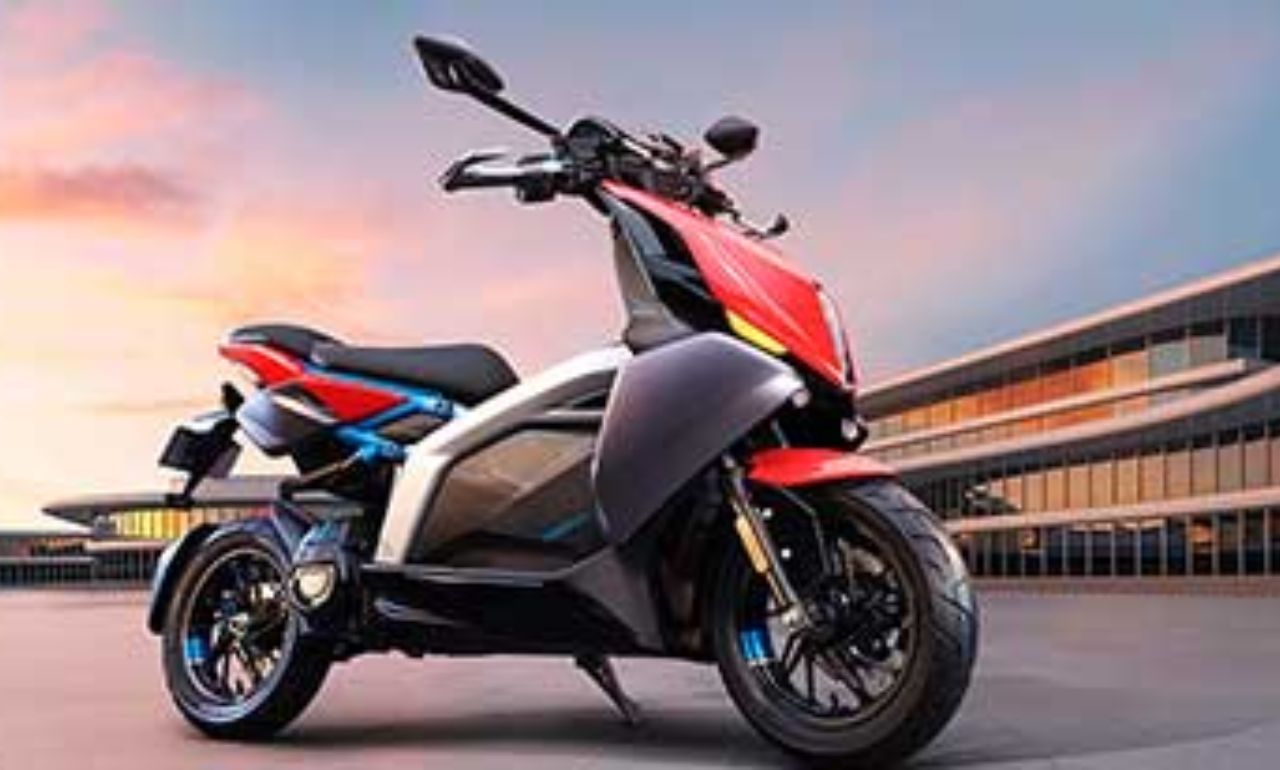
Electric scooter maker Simple Energy has expanded its product range with the launch of the Gen 2 Simple One lineup, including a new 400 kilometre range variant aimed at commuters who want longer distance travel without frequent charging. This comes as more Indians look to EV scooters as practical daily transport with lower running costs than petrol alternatives.
The updated Gen 2 Simple One gets design tweaks and feature upgrades, including a refreshed digital console, improved ride comfort and connectivity features that make everyday use easier. The highlight, however, is the 400 km range model that promises extended distance between charges useful for riders with longer daily travel or those who commute between towns.
For ordinary users, range anxiety fear of running out of battery is a frequent concern with electric scooters. A model that can go up to 400 km on a full charge may reduce this concern and make electric scooters more attractive to a wider audience, including delivery workers, college students and daily commuters who travel beyond short city distances.
Simple Energy says the scooter will be available in multiple colour and feature options, with prices starting at a competitive level for the 2026 EV market. Buyers can expect practical conveniences like smartphone connectivity, GPS navigation and enhanced safety features that appeal to everyday riders.
Dealers report healthy interest from customers who are comparing electric scooters before committing to a purchase. With fuel prices rising and cities focusing on cleaner transport, the expanded Simple One range may help users save on running costs and reduce pollution. Being able to travel longer distances without frequent charging also means fewer stops and greater flexibility for riders balancing work, errands and social travel.
As electric two-wheelers gain popularity in India, offerings with higher range and improved comfort can help bridge the gap between traditional scooters and EV alternatives giving users more reasons to consider switching to electric. The 400 km model may shape how everyday riders plan their daily and weekend journeys with greater confidence.