Nagpur, Maharashtra (UNA) :
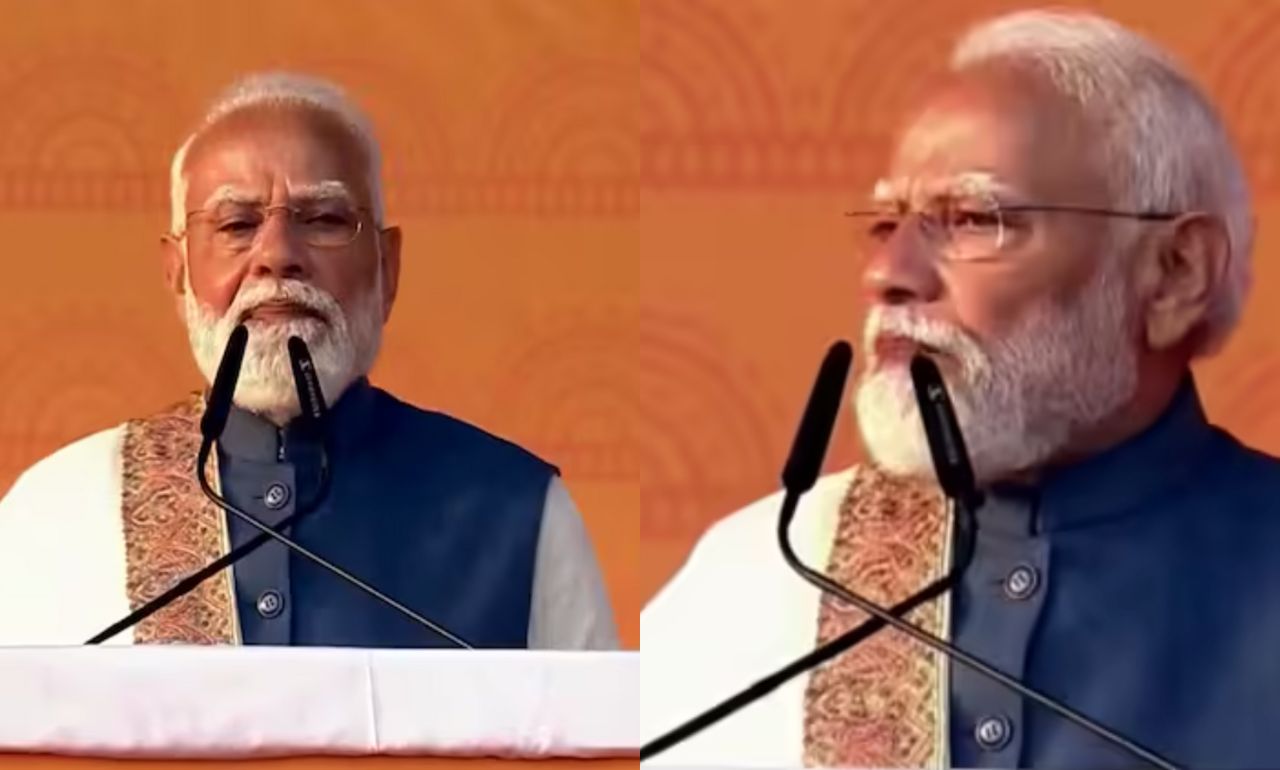
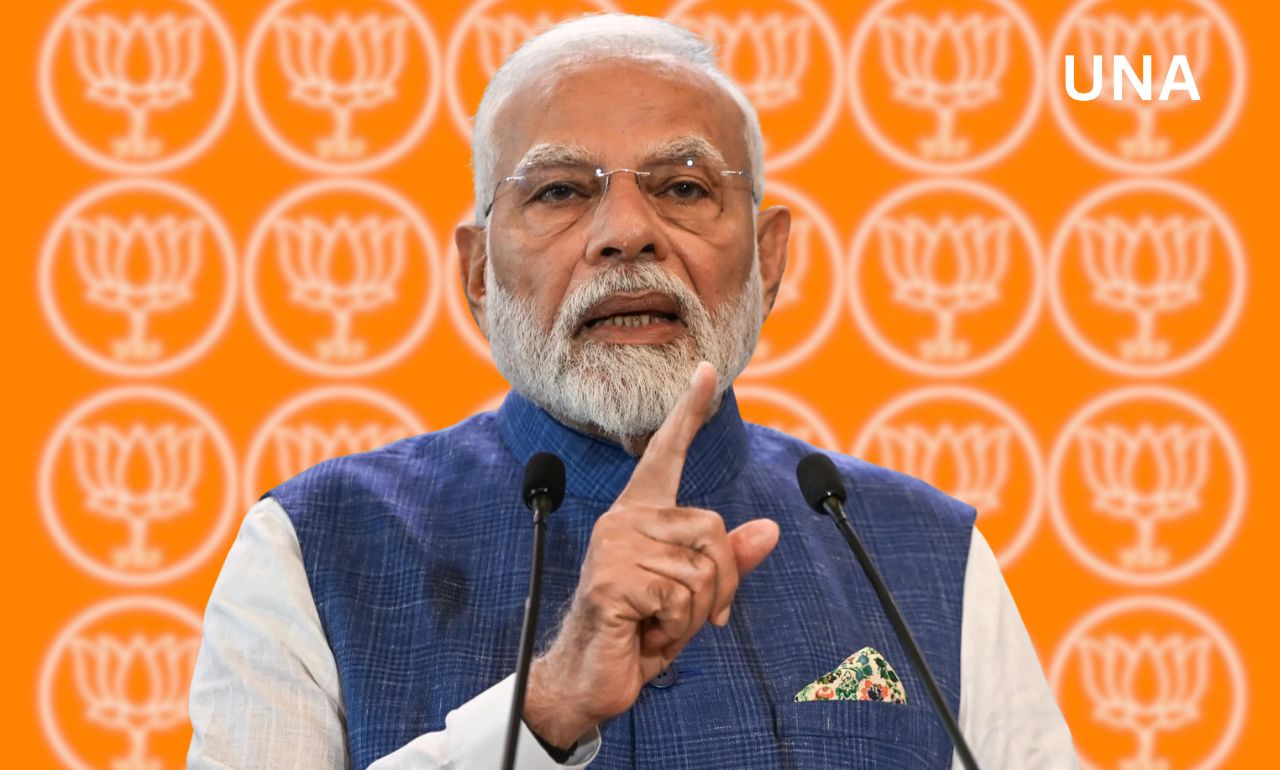
In a series of landmark addresses marking the final lead-up to the organisation's centenary in 2025, the Rashtriya Swayamsevak Sangh (RSS) has formally redefined Hindutva as a vibrant, inclusive, and civilisational construct. RSS Chief Mohan Bhagwat, speaking at several high-profile events including the 'Ideas of India Summit 2025' and centenary celebrations in Bengaluru, emphasized that Hindutva is not a narrow religious term but a broad ideological framework for social, cultural, and national unity. This perspective shifts the focus from religious rituals to a shared DNA and a common cultural heritage that spans thousands of years.
The senior leadership of the Sangh has clarified that this civilizational definition of Hindutva encompasses all communities and traditions residing within India. According to the RSS, a "Hindu" is defined as anyone who respects the shared ancestors, values the land of Bharat Mata, and follows the principles of coexistence and mutual respect. Bhagwat argued that "Hindu" means inclusion and has no boundaries, noting that those who prefer terms like 'Bhartiya' or 'Sanatani' are fundamentally connected by the same underlying emotion of devotion to the nation. This interpretation aims to position Hindutva as a "Positive Peace" model that encourages dialogue rather than exclusion.
Political and social analysts believe this shift has profound implications for national discourse. By framing Hindutva as a civilizational identity rather than a sectarian one, the RSS is attempting to broaden its appeal and integrate diverse linguistic, regional, and social groups into a unified national project. This "inclusive Hindutva" is also reflected in the Sangh's evolving stance on social issues, such as its recent support for a caste census, aimed at ensuring that all sub-sections of Hindu society feel represented and satisfied within the larger civilizational fold.
However, the new definition has met with varying reactions. Supporters view it as a necessary cultural awakening that reclaims an identity overshadowed by Western political norms. Critics, on the other hand, question whether these interpretive changes will translate into practice, expressing concerns about the potential for cultural homogenisation. Despite these debates, the RSS maintains that its ultimate goal is the "organization of the entire society" to restore India’s status as a global leader (Vishwaguru), without reliance on political power or constitutional declarations of a "Hindu Rashtra."
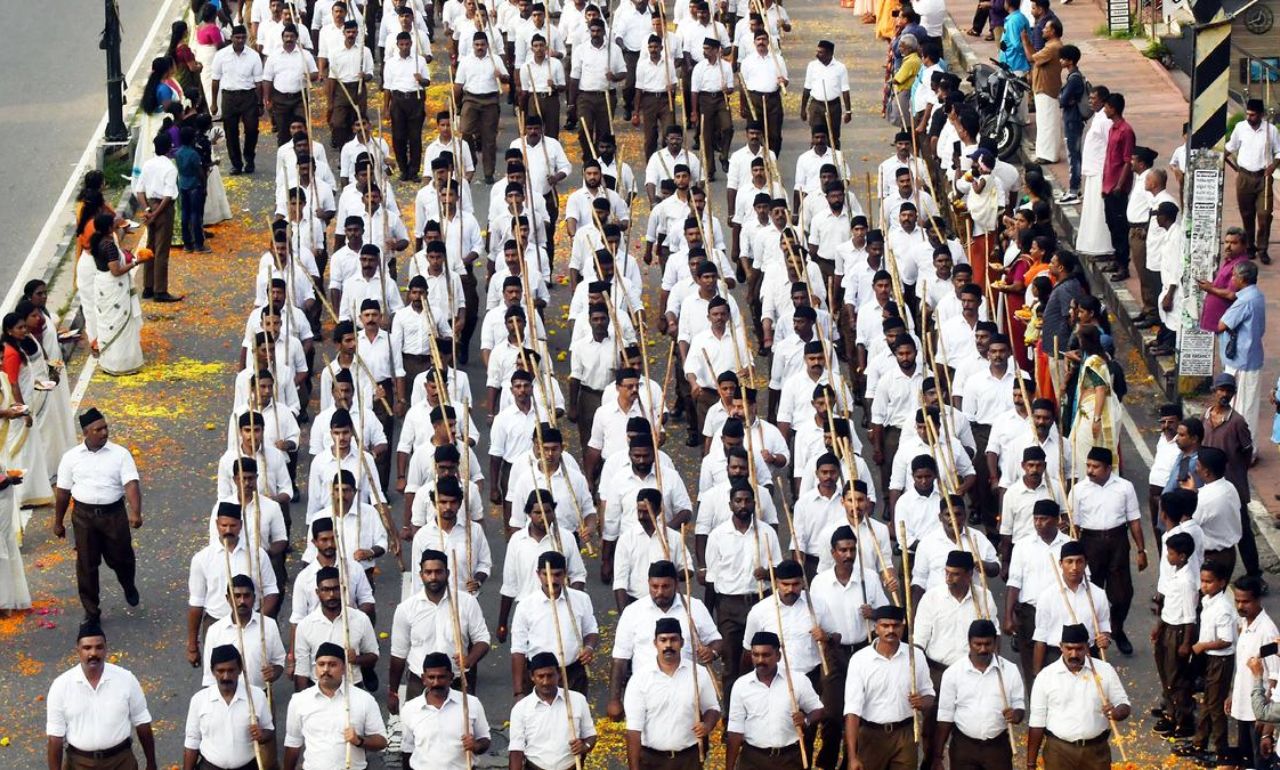
As the Sangh enters its 100th year, the focus remains on character-building and social harmony. The organization's leadership has reiterated that the concept of a Hindu nation is a "truth" rooted in cultural continuity and does not require external validation. By promoting initiatives like "one well, one temple, one crematorium," the RSS aims to manifest this inclusive philosophy on the ground, seeking to bridge historical divisions and foster a sense of shared destiny among all Indian citizens.