Kolkata, West Bengal (UNA) :
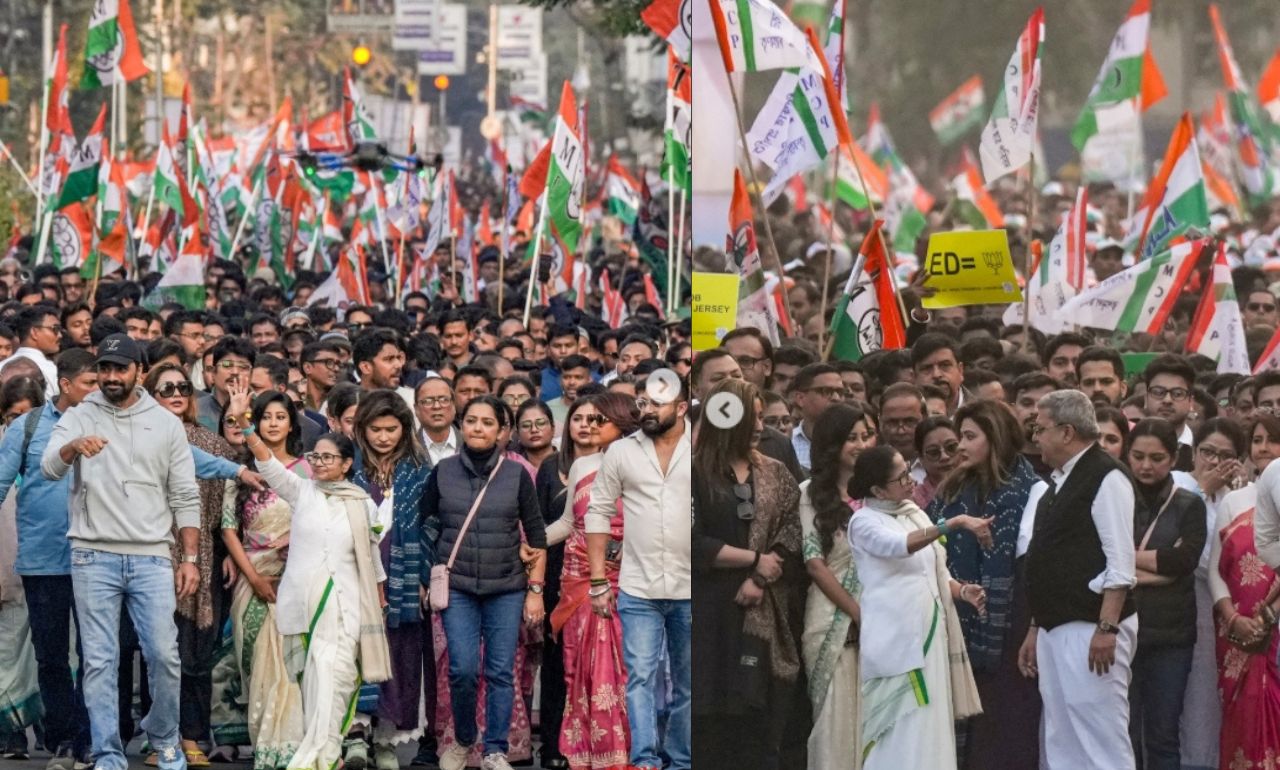
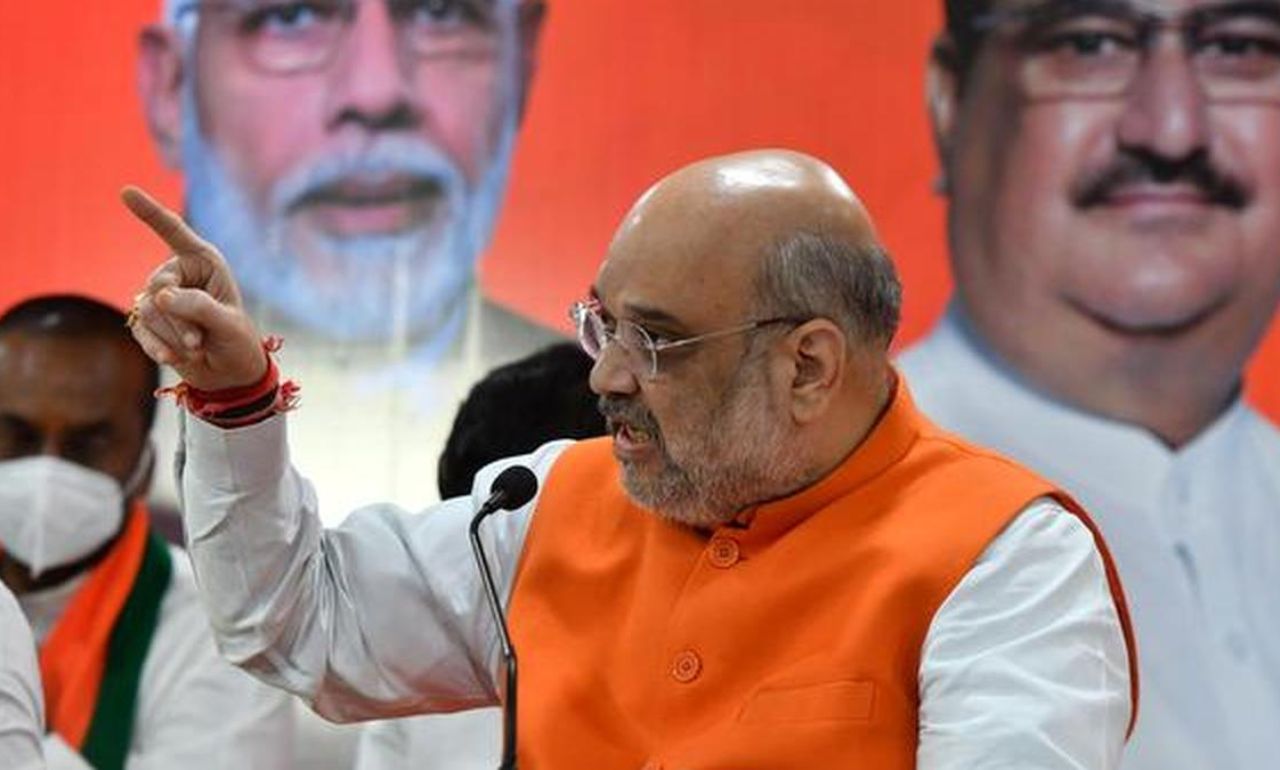
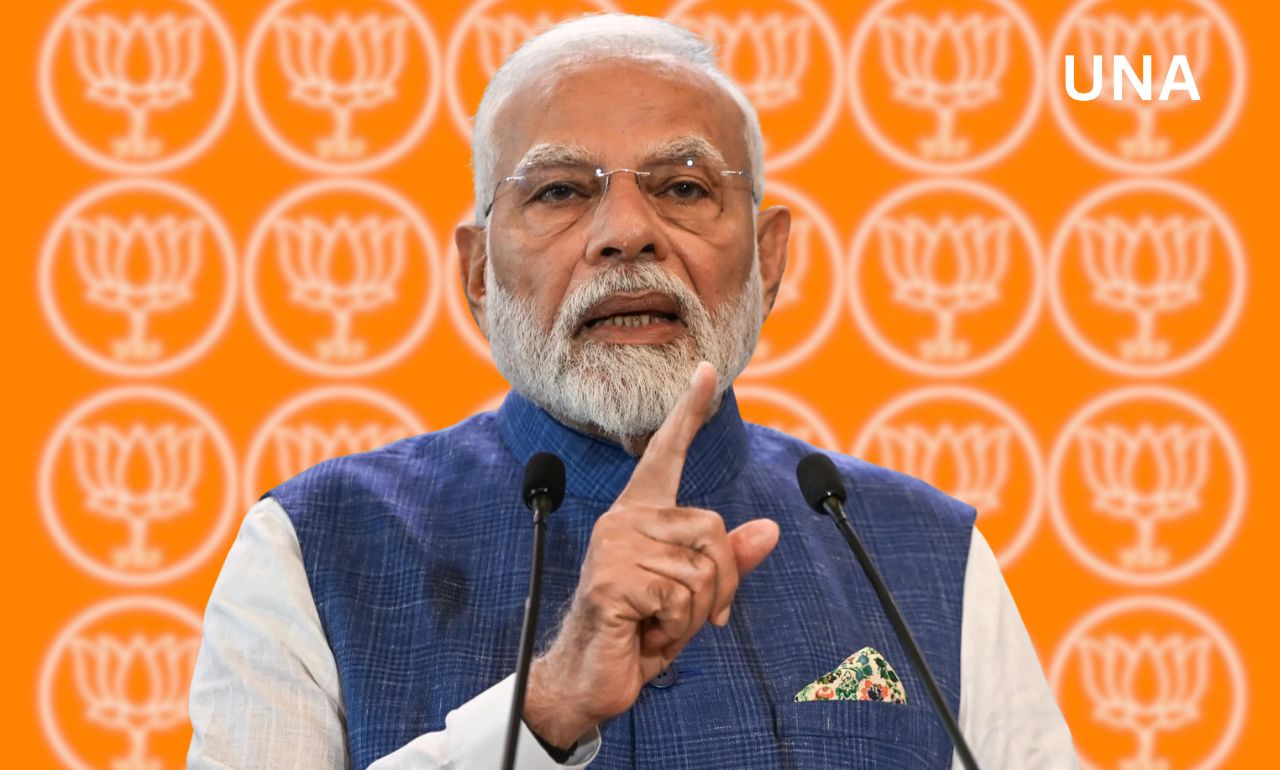
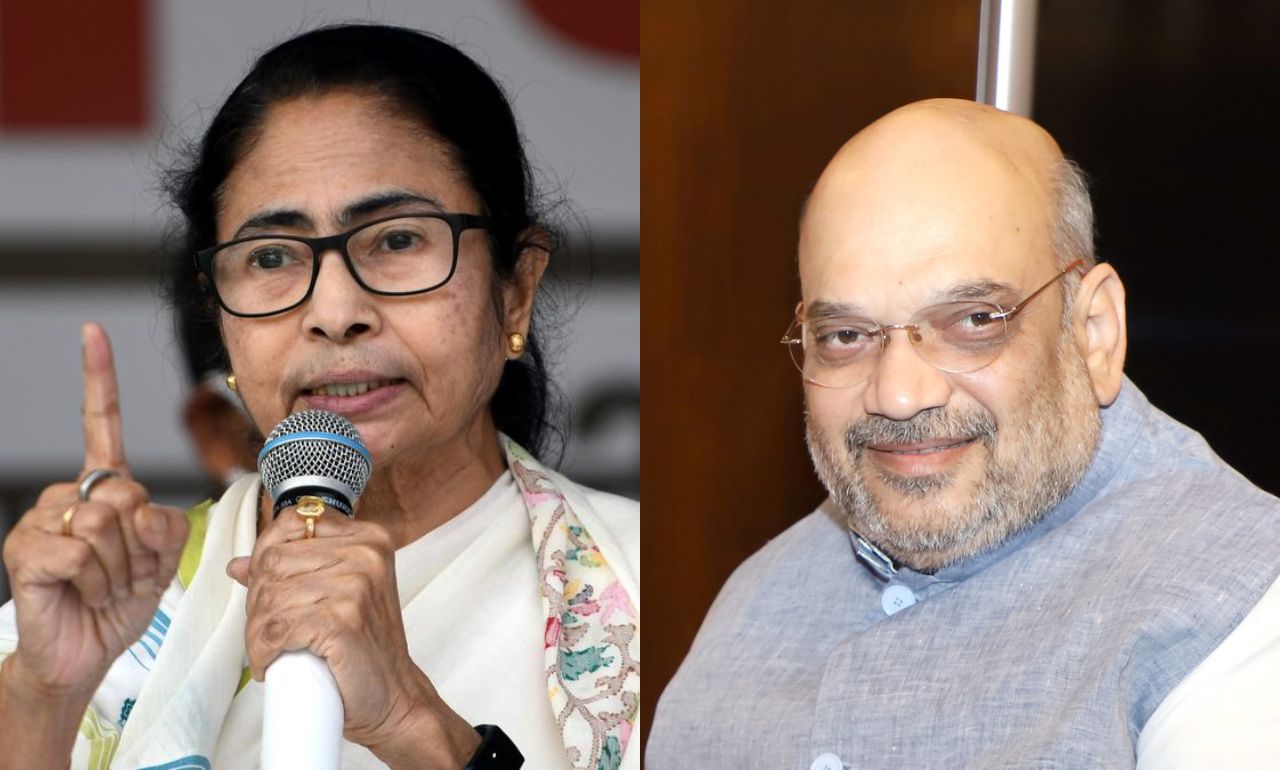
The political temperature in West Bengal escalated after Chief Minister Mamata Banerjee invoked characters from the Indian epic Mahabharat in a recent address. In response, Bharatiya Janata Party (BJP) leaders took aim at her analogy, describing her as the ‘Dushasan’ and ‘Duryodhan’ of Bengal characters traditionally portrayed as antagonists in the epic framing the exchange as symbolic of deeper political contention.
Overall political discourse in the state has sharpened as parties intensify campaigning and public messaging ahead of the 2026 assembly elections. Banerjee’s reference to Mahabharat was interpreted as an attempt to position her rivals as adversarial forces, prompting an equally forceful rebuttal from the BJP.
BJP leaders said the chief minister’s comments were misplaced and reflected a confrontational approach to governance, asserting that her leadership style resonated more with traits attributed to Mahabharat’s antagonists than to democratic representation. The party’s response sought to reframe the narrative around accountability and public service.
Political analysts noted that such metaphor‑laden exchanges can deepen polarisation and sharpen electoral narratives, especially in states with highly engaged electorates. They observed that both sides are leveraging cultural and historical symbols to resonate with voters’ sentiments and cultural understanding.
Observers said the episode illustrates the competitive political climate in West Bengal, where rhetorical strategy and symbolism are increasingly prominent in public discourse. Analysts cautioned that while colourful analogies attract attention, sustained focus on governance issues could influence broader voter perceptions.