By Ajay kumar | CEO & Editor-in-chief
New Delhi, India (UNA) :
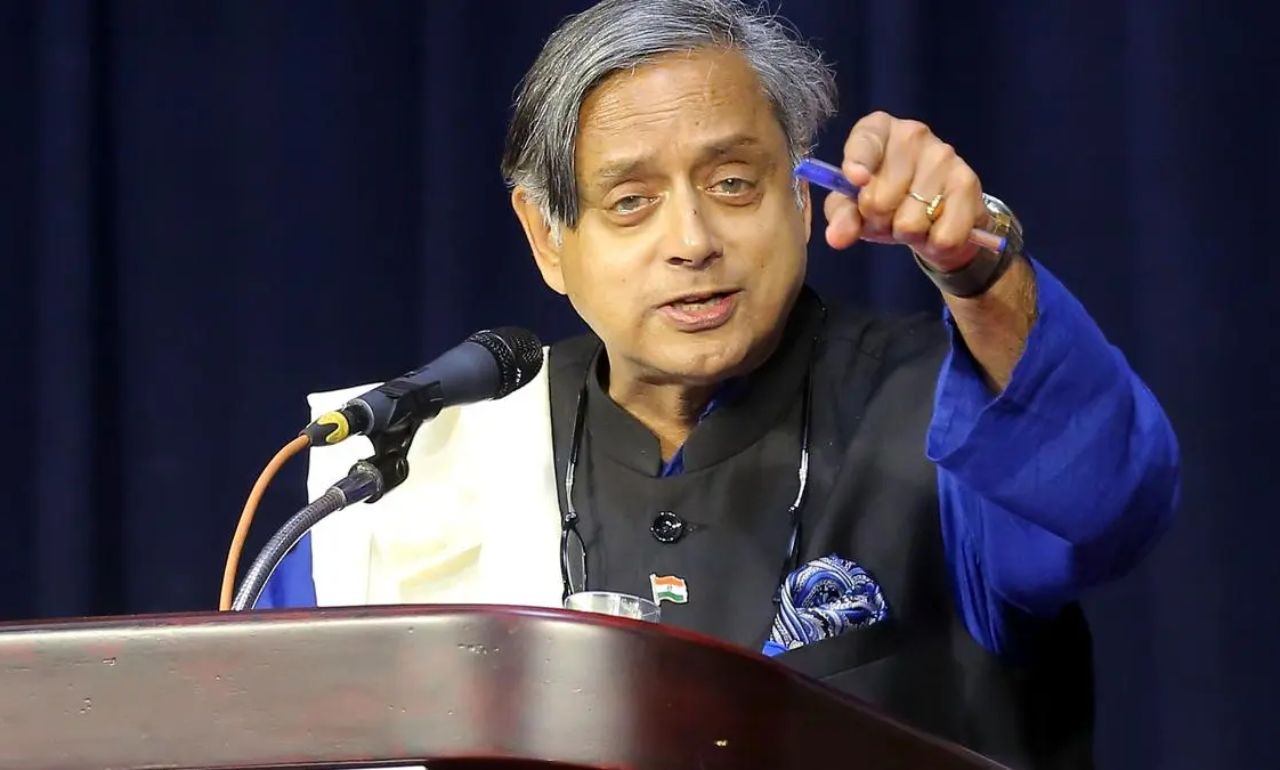
The brutal death of a young student from Tripura in Uttarakhand has ignited a fierce national debate regarding the safety of citizens from the Northeast in other parts of India. Member of Parliament Shashi Tharoor expressed his deep outrage over the incident, characterizing the act as a stain on the country’s social fabric. The case has drawn widespread condemnation from across the political spectrum, with many leaders demanding that the authorities treat the matter with the utmost gravity to prevent further communal or regional polarization.
The primary reason for the outcry is the alleged racial undertone of the attack, which took place in Dehradun. Reports suggest that the victim was targeted in a violent confrontation that escalated rapidly, leading to fatal injuries. This incident has reignited long-standing grievances regarding the discrimination faced by the Northeastern community in mainland India. Tharoor and other advocates for regional safety argue that such "hate-filled" actions highlight a failure in both social education and the enforcement of protective laws meant to safeguard minority groups.
The performance of the Uttarakhand police and the state administration is now under the lens as they work to apprehend all individuals involved in the assault. While preliminary arrests have been made, the demand for a fast-track trial is growing. The Tripura government has also remained in constant communication with Uttarakhand officials to ensure that the family of the deceased receives the necessary support. This tragedy has mobilized student organizations in both the Northeast and the national capital, who are seeking concrete assurances for the protection of students studying far from home.
Social analysts and legal experts suggest that the recurring nature of such violence indicates a need for stricter implementation of the Bezbaruah Committee recommendations. Experts believe that while political statements provide a voice to the victims, the real solution lies in administrative accountability and a zero-tolerance policy toward racial intimidation. The focus remains on the ongoing judicial process in Dehradun, as the nation watches to see if the perpetrators are held accountable under the fullest extent of the law to deter future incidents of a similar nature.