Tehran, Iran (UNA) :
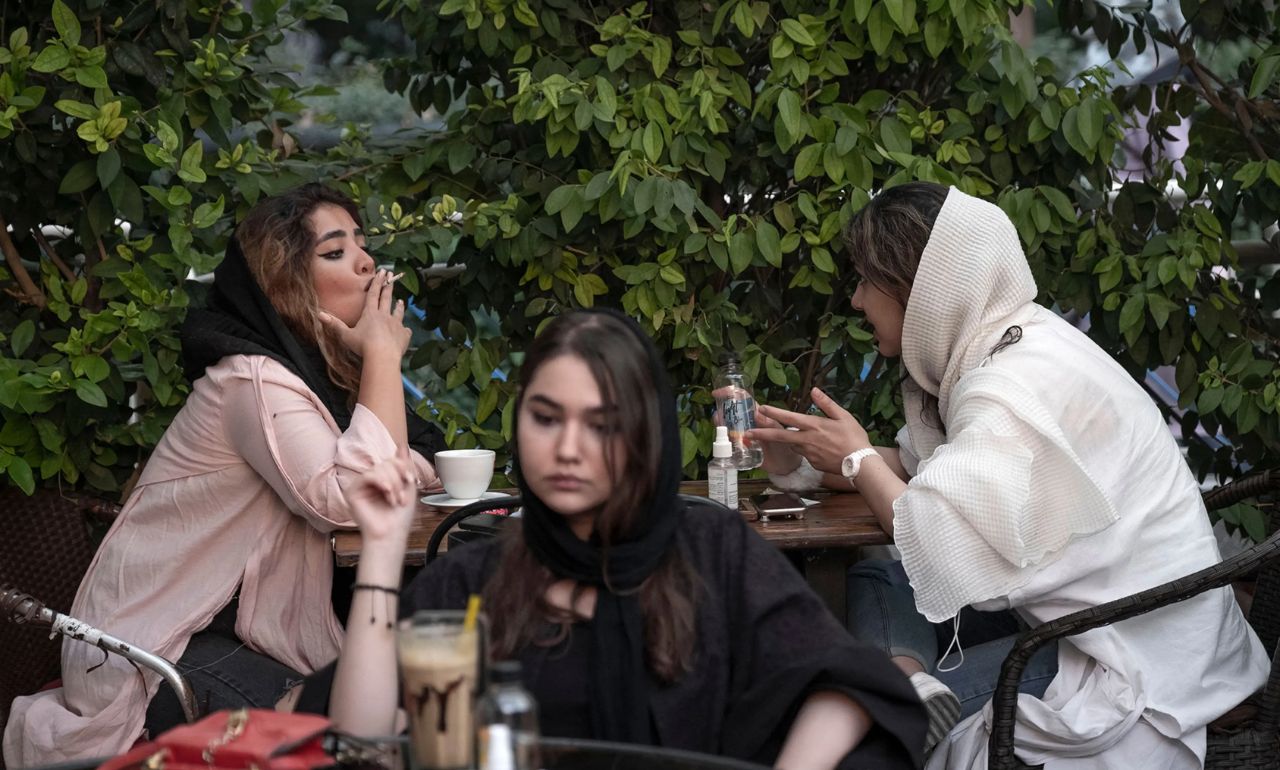
In the midst of ongoing protests across Iran, scenes have emerged of women using printed images of Supreme Leader Ayatollah Khamenei to light cigarettes. This act has become a powerful symbol among many demonstrators, expressing deep discontent with the country’s economic challenges, political restrictions and overall governance.
For everyday Iranians, particularly women and young people, the gesture reflects frustration with social and economic conditions that have affected daily life. Rising living costs, unemployment and tightened personal freedoms have fuelled public anger, and this symbolic expression has spread through videos and photos shared widely on social media.
Observers say that this trend is not about the act itself but the message it sends: a rejection of established authority and a call for accountability. In a society where direct criticism of leadership can carry serious risks, symbolic protest actions like this allow citizens to voice their discontent while capturing global attention.
The imagery has resonated locally and internationally, drawing solidarity from human rights advocates and sparking discussions about freedom of expression. Yet authorities have responded with increased security measures, seeking to curb protests and maintain public order, sometimes leading to clashes that disrupt daily routines.
For families and workers in Iran, the protests and their symbolic gestures underscore how personal frustrations can become part of a broader movement. As demonstrations continue, many are watching closely to see how the government and citizens engage in what has become a defining moment in public discourse.