New Delhi, India (UNA) :
The year 2025 surprised scientists and the public alike with discoveries that sounded strange but carried real meaning. One such finding involved a rare caterpillar species that covers itself with remains of insects it eats. This unusual behaviour helps it hide from predators and shows how animals evolve creative survival strategies.
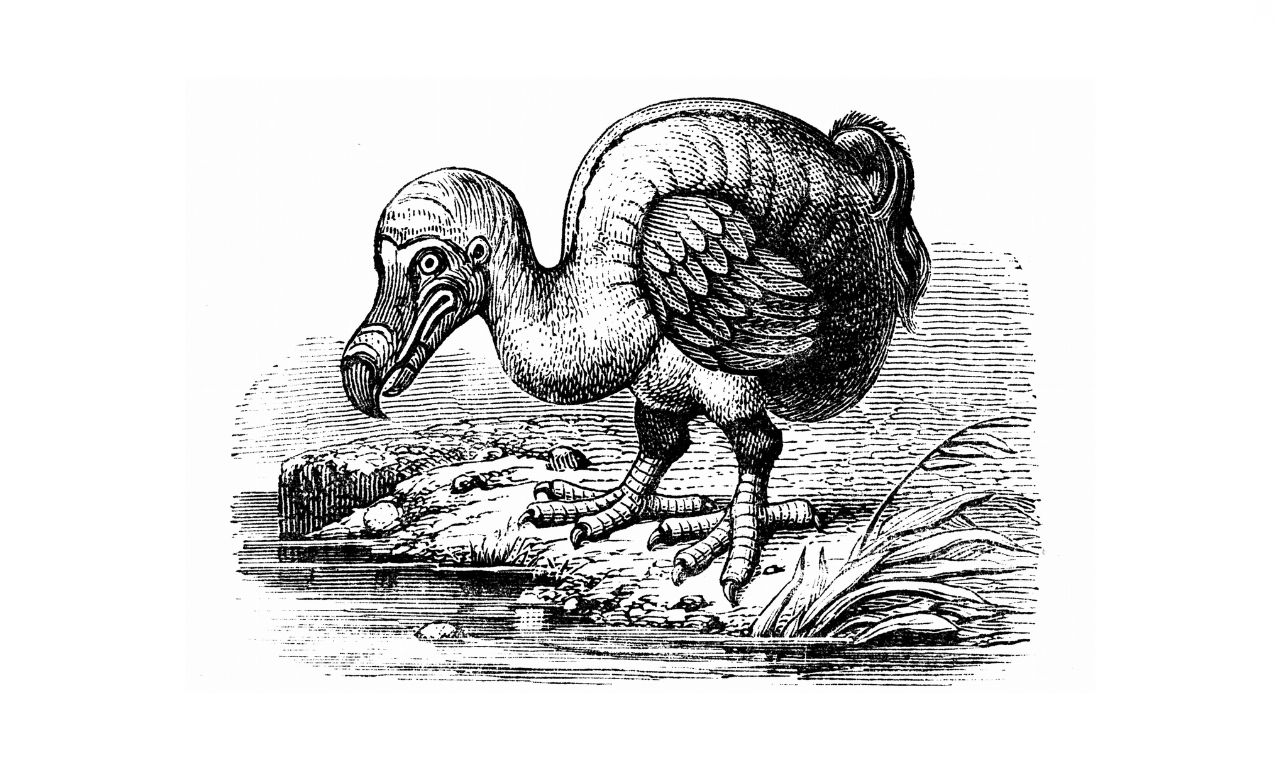
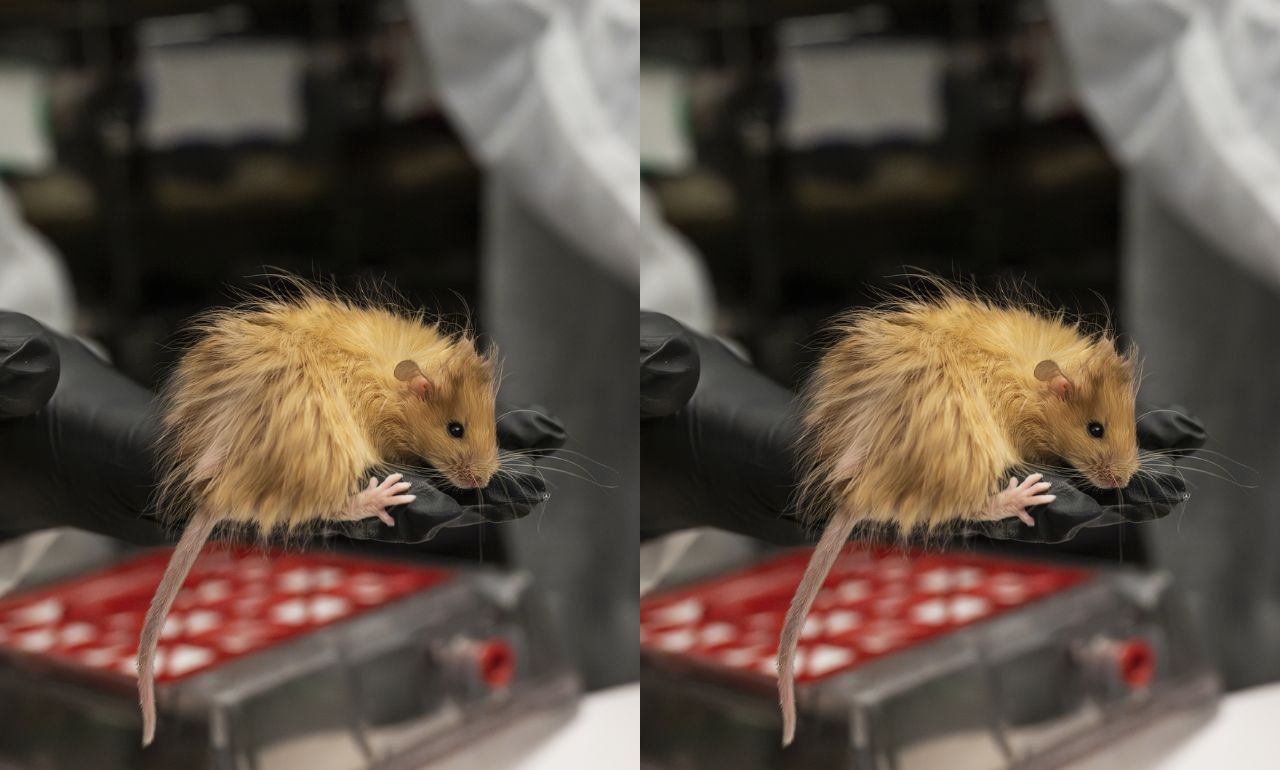
Another area that caught attention was genetic research linked to extinct animals. Scientists successfully recreated certain traits of long-gone species in modern animals, opening new discussions around conservation, biodiversity, and how science studies the past without disturbing nature.
Medical and biological research also moved into unexpected territory. A rare birth using decades-old frozen embryos highlighted how far fertility science has progressed, offering new hope to families and raising important ethical discussions for the future of healthcare.
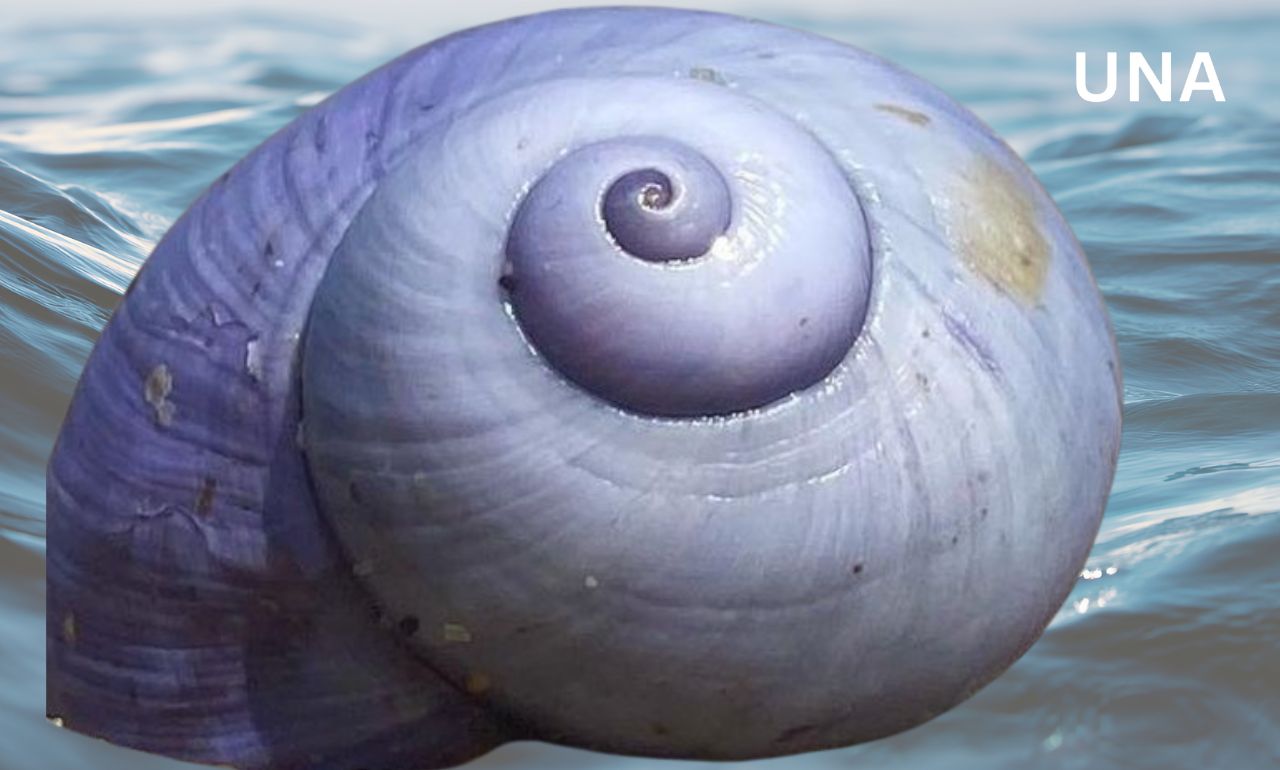
Human biology delivered its own surprises. Researchers explored how common parasites may influence behaviour and tested innovative dental materials made from recycled human hair, aimed at improving tooth protection and repair. Scientists also reported identifying what could be a completely new colour, challenging how humans understand vision.
Together, these unusual discoveries show that science does not always move in straight lines. Even the strangest findings can lead to better medical care, deeper understanding of nature, and new questions that shape future research and everyday life.