By Ajay kumar | CEO & Editor-in-chief
Leh, Ladakh (UNA) :
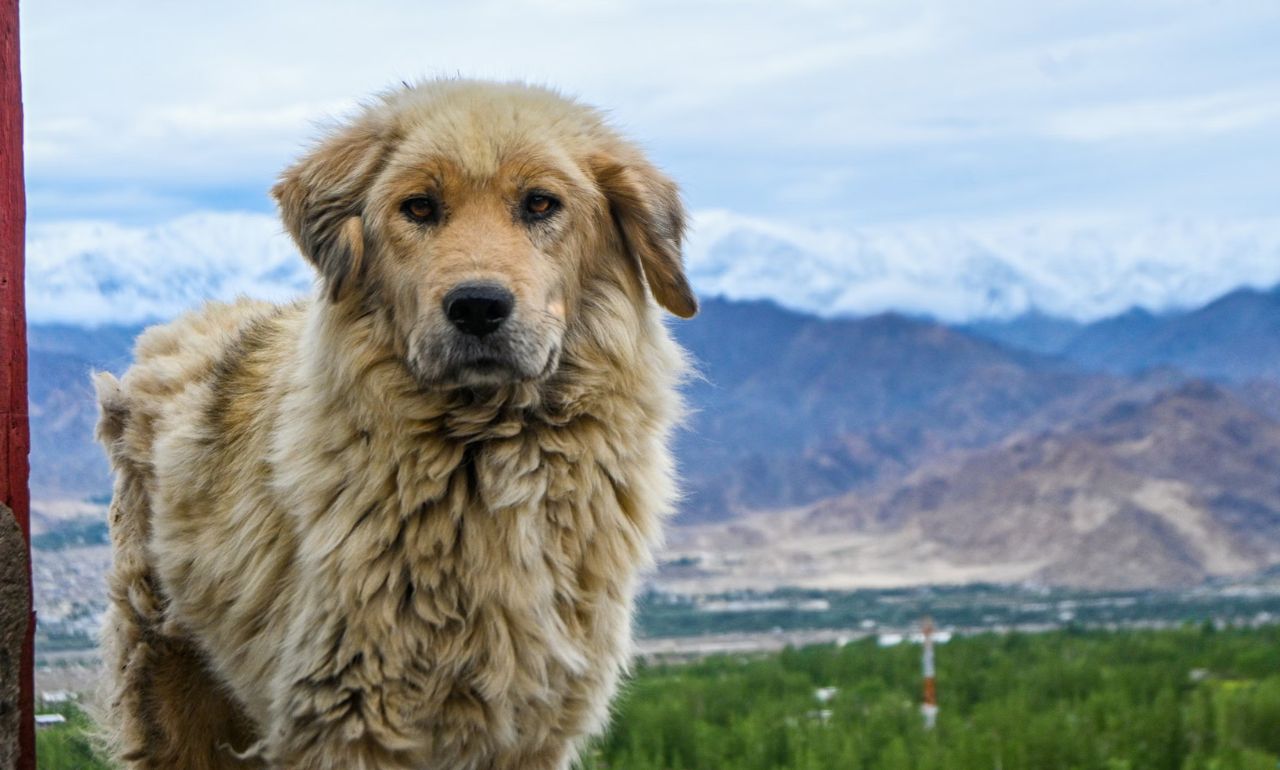
The fragile ecosystem of the trans-Himalayan region of Ladakh is facing an unprecedented biological challenge. Recent environmental reports indicate that the rising population of feral dogs stray dogs that have reverted to a wild state has become a formidable threat to the native wildlife. While the snow leopard has historically reigned as the undisputed apex predator of this icy desert, the sheer numerical advantage and pack behavior of these canine groups are now disrupting the natural predatory hierarchy and resource availability in the high-altitude terrain.
The primary cause for this surge in the feral dog population is linked to increased human activity and improper waste management near military outposts, tourist camps, and urban settlements. These dogs, which often subsist on food waste provided by human presence, have expanded their range into critical wildlife habitats. By hunting in large, coordinated packs, they are capable of overpowering traditional prey such as the Blue Sheep (Bharal) and Ibex, directly depleting the food sources that the endangered snow leopard relies upon for survival.
The impact of this invasive pressure extends beyond competition for food. Wildlife experts have documented instances where feral dog packs have actively chased snow leopards away from their kills or even directly attacked them. Furthermore, the risk of disease transmission, such as canine distemper and rabies, poses a lethal threat to the already vulnerable snow leopard population. This "canine-wildlife conflict" is complicating conservation efforts in a region where the snow leopard is considered a flagship species for environmental health and mountain biodiversity.
Conservationists and local administrators suggest that a comprehensive sterilisation and waste management program is essential to mitigate this growing crisis. While the local government has initiated several animal birth control measures, the vast and rugged geography of Ladakh makes implementation a significant logistical challenge. The focus remains on establishing a sustainable coexistence model that protects both domestic livestock and the region’s rare wild predators, ensuring that the snow leopard’s habitat remains secure from the encroaching pressure of feral populations.