By Ajay kumar | CEO & Editor-in-chief
Jaipur, Rajasthan (UNA) :
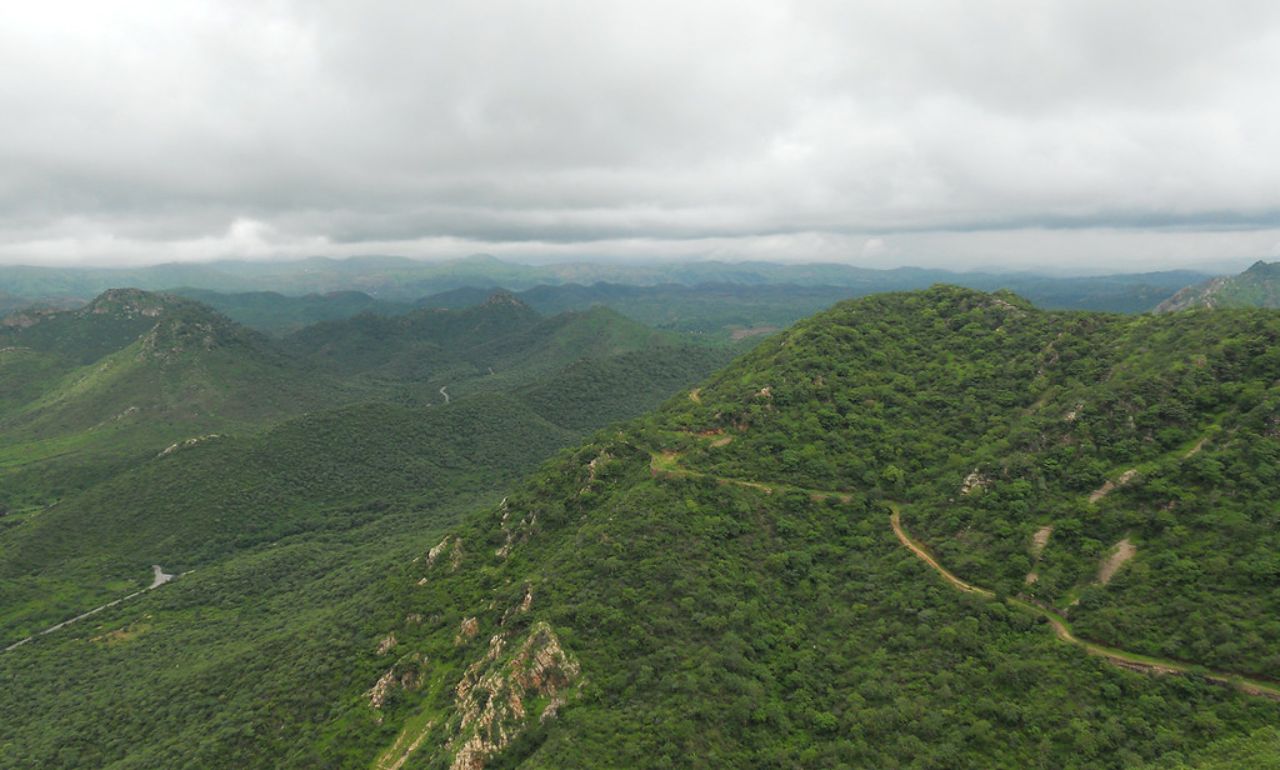
The Rajasthan state administration has reportedly implemented significant changes to land-use policies, relaxing long-standing restrictions on construction activities within the sensitive Aravalli mountain range. This administrative shift marks a departure from previous conservation protocols that limited permanent structures on hilly terrains to prevent ecological degradation. The move comes as the state looks to balance environmental preservation with the growing demand for rural and high-end hospitality infrastructure.
The decision to permit the development of resorts and farmhouses on rugged hill terrains is driven by an effort to boost eco-tourism and regional economic activity. Under the revised framework, certain categories of land previously designated as non-construction zones are now eligible for development, provided they meet specific luxury and tourism criteria. This policy adjustment is expected to open up vast stretches of the ancient mountain range for private investment and organized leisure projects.
The impact of this policy is primarily seen in the real estate and hospitality sectors, with several developers reportedly eyeing the scenic slopes for high-value projects. While proponents argue that this will create local employment and structured tourism, environmentalists have raised concerns regarding the potential impact on the local water table and wildlife corridors. The easing of these norms is expected to attract significant interest from organized real estate firms looking to cater to the growing demand for weekend retreats near major urban centers.
Market observers and environmental experts remain divided on the long-term implications of this decision. While the state aims to regulate these developments through the building approval process, the emphasis is now on how these projects will adhere to sustainability norms. The development is seen as a pivotal moment for Rajasthan’s land-use legislation, as the balance between commercial expansion and the protection of the state's natural green barriers remains under close scrutiny.