New Delhi, India (UNA) :
Prime Minister Narendra Modi’s recent reflection on the thousand‑year history of the Somnath Temple included mention of Somanatha: The Shrine Eternal, a book by K. M. Munshi that details the temple’s resilience, architecture and cultural significance. The reference in his article has led to a surge of online searches and discussions about the book among readers.
For many Indians, this renewed attention offers a chance to learn about a key piece of cultural history linked to one of the country’s most iconic temples. Somanatha: The Shrine Eternal, first published in 1951, traces the temple’s origins, repeated reconstructions and spiritual importance, presenting both archaeological insights and traditional narratives that resonate with readers interested in India’s past.
The Prime Minister’s mention coincides with the ongoing Somnath Swabhiman Parv, a festival celebrating the temple’s heritage and its repeated restorations over centuries. This context has helped bring the book into public view, especially for those curious about the stories behind the temple’s place in Indian identity.
Officials said that cultural references such as this help foster broader engagement with historical literature and encourage people to explore India’s rich civilizational legacy through accessible works. The renewed interest in the book highlights how public figures’ mentions can influence collective curiosity about heritage.
 09 Jan 26
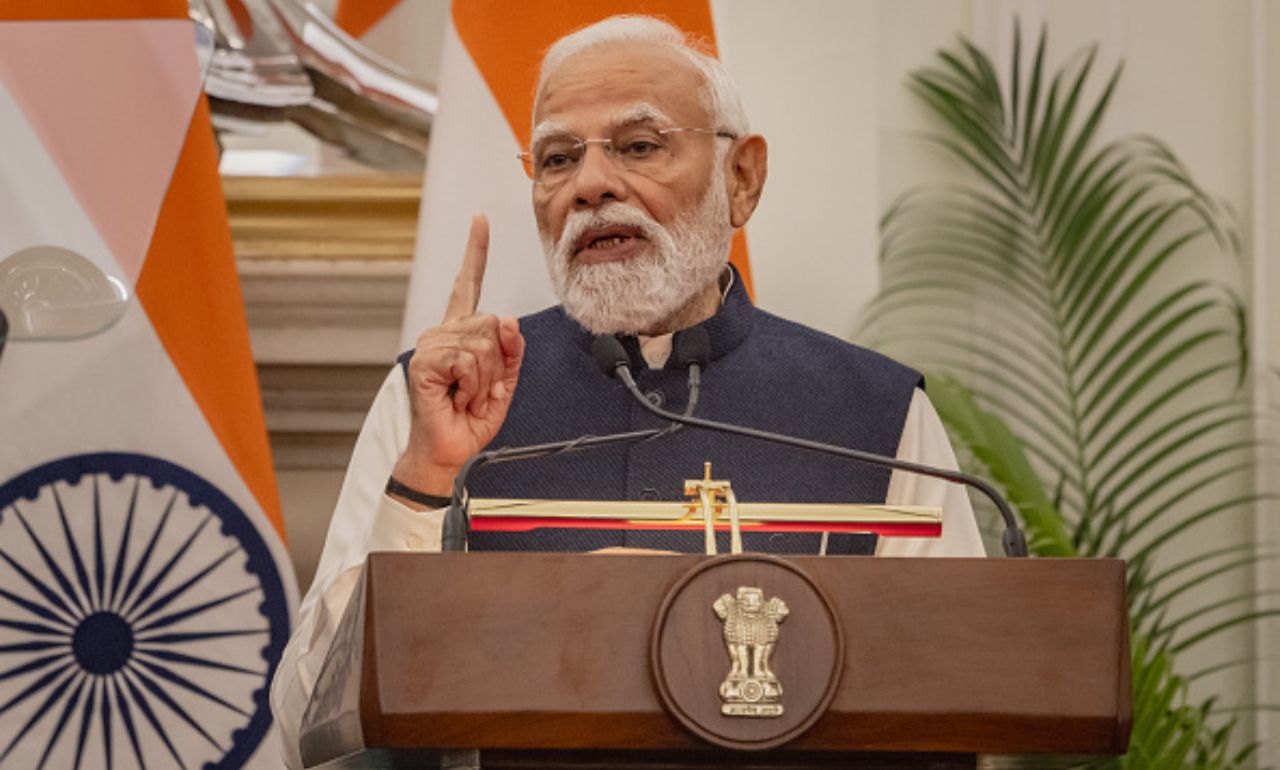
PM Modi Mentions Historic Book on Somnath Temple, Renewing Public Interest
Related news
 09 Jan 26
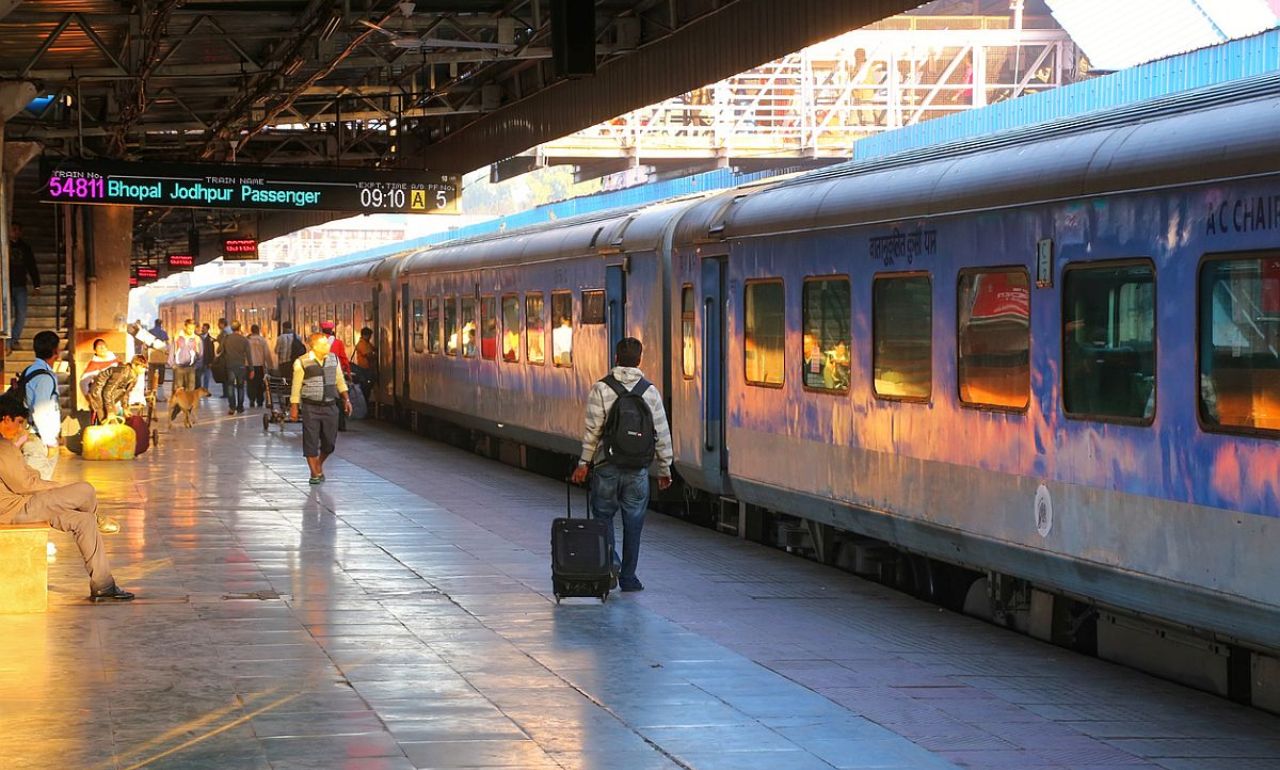
Railway Minister Announces 52 Reforms in 52 Weeks for 2026; What It Means for Passengers
India’s Railway Minister unveiled a plan for 52 targeted reforms over the next 52 weeks, focusing on passenger convenience, safety and modernisation, aiming to improve travel experience across the network throughout 2026.